Your session has expired. Reloading...

Doctor's Assessment Included

Every result includes a professional assessment from a BIG-registered doctor. For treatment decisions, discuss your results with your GP.

Ferritin levels: what do they tell you about your iron stores?

Ferritin reflects your iron reserves, which fuel energy production and muscle function. Optimal levels support stamina, strength, and overall male vitality.

Reference Ranges

Male
ug/l
Low 30 Normal 300 High

Reference ranges may vary between laboratories. When you order a test, a BIG-registered doctor assesses your personal results in context. For treatment decisions, discuss your results with your GP.

What It Measures

This test measures the concentration of ferritin in your blood, expressed in micrograms per litre (µg/L). Ferritin is a protein that stores iron in cells, primarily in the liver, bone marrow, and spleen. A small amount leaks into the blood, and that quantity correlates well with your total iron stores.

Normal values differ considerably between men and women. For men, normal is between 30 and 300 µg/L; for women, between 15 and 150 µg/L. After menopause, values in women often rise towards the male range.

An important caveat: ferritin is also an acute-phase protein, meaning it rises during inflammation, infection, or liver disease. A normal or high ferritin does not completely rule out iron deficiency if inflammation is present simultaneously. In those cases, additional testing (transferrin saturation, soluble transferrin receptor) may be needed.

Why It Matters

Iron deficiency is the most common nutritional deficiency worldwide and one of the leading causes of fatigue. Ferritin detects iron deficiency at an early stage, before haemoglobin drops. This makes it a valuable preventive marker.

In women of childbearing age, iron deficiency is particularly common due to menstrual blood loss. A ferritin below 30 µg/L with symptoms such as fatigue, concentration problems, or hair loss is often already reason to supplement, even if haemoglobin is still normal.

On the other hand, significantly elevated ferritin (above 500 µg/L) can indicate haemochromatosis, a hereditary condition in which the body absorbs too much iron. Untreated, this can lead to liver, heart, and joint damage. Haemochromatosis occurs in 1 in 200 people of European descent and is often discovered late.

When to Test

A ferritin test is useful for unexplained fatigue, concentration problems, hair loss, cold intolerance, or pallor — symptoms consistent with iron deficiency. For women with heavy menstrual bleeding, periodic ferritin monitoring is recommended.

During pregnancy, iron requirements increase considerably. Ferritin is therefore routinely checked at the first prenatal visit and possibly repeated.

If haemochromatosis is suspected (family history, unexplained elevated ferritin), ferritin is the first screening test. If you donate blood regularly, periodic monitoring is also sensible because repeated donations deplete iron stores.

Fasting is not required for ferritin.

Symptoms

Low Levels

Low ferritin (below 15–30 µg/L) indicates depleted iron stores. Symptoms include fatigue, concentration problems, pallor, dizziness, cold hands and feet, hair loss, brittle nails, and reduced exercise tolerance. In women, it can also lead to cravings for non-food substances (pica), such as ice or soil. Many people with low ferritin feel chronically tired without finding a clear cause.

High Levels

Mildly elevated ferritin (150–300 µg/L in women, 300–500 µg/L in men) can occur with inflammation, obesity, liver conditions, or excessive alcohol use, often without specific symptoms.

With significantly elevated ferritin (above 500–1000 µg/L) and an underlying cause such as haemochromatosis, symptoms may include joint pain (especially in the hands), fatigue, abdominal pain, darkened skin colour, and eventually liver and heart problems. Haemochromatosis develops slowly and is often only discovered in men between ages 40 and 60.

Recommendations

Male

If Low

Low ferritin indicates depleted iron stores. Consider iron supplementation and dietary iron increase (red meat, spinach).

If High

High ferritin may indicate inflammation, hemochromatosis, or liver disease. Consider CRP testing and comprehensive metabolic evaluation.

Lifestyle Tips

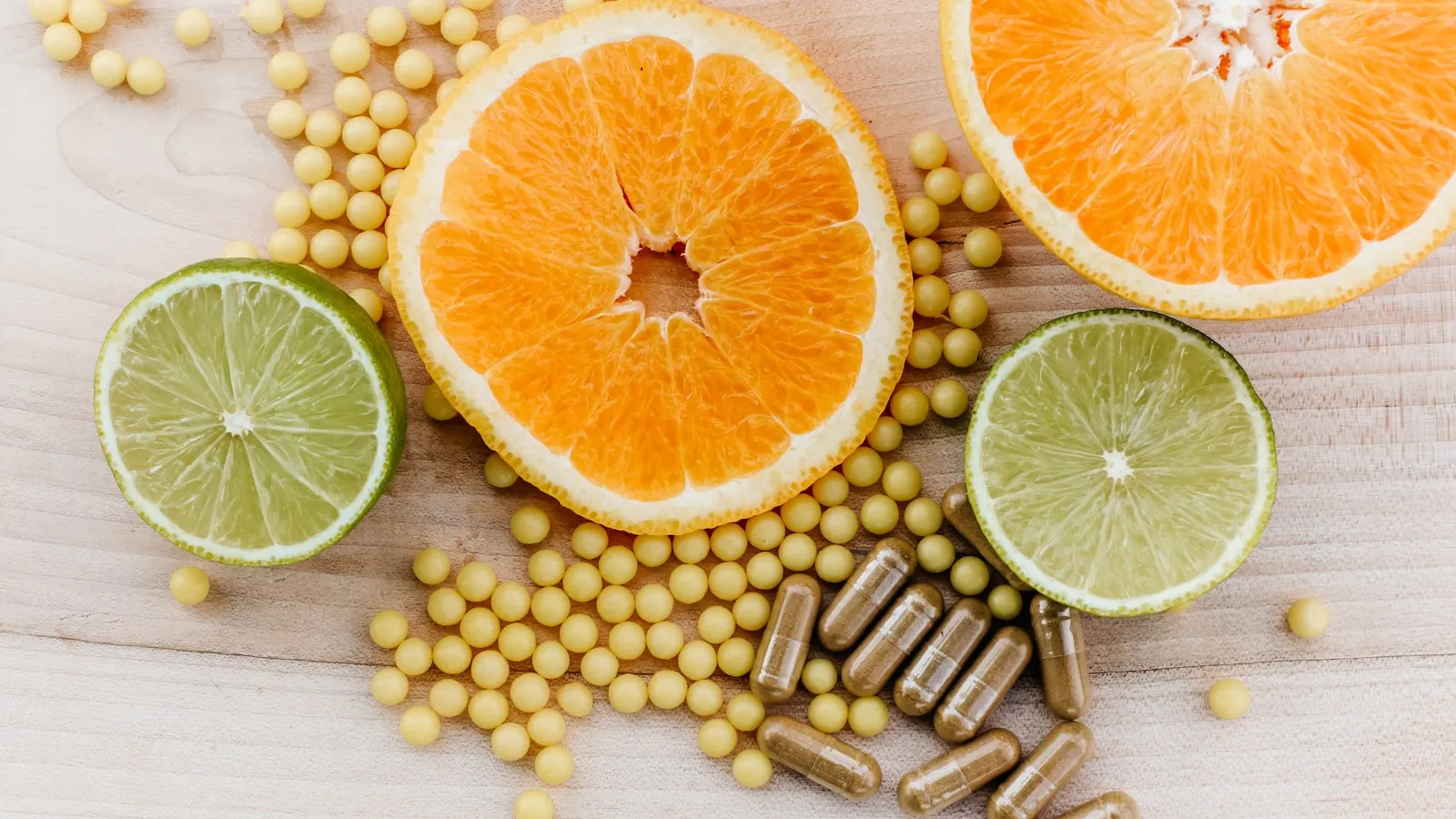
For low ferritin, diet is an important first step. Iron-rich sources include red meat, liver, legumes (lentils, chickpeas), dark leafy greens (spinach, kale), and whole grains. Combine plant-based iron with vitamin C for better absorption — a glass of orange juice with a meal can already make a difference.

Tea, coffee, and dairy products inhibit iron absorption and are best consumed away from meals. Calcium supplements should preferably not be taken at the same time as iron-rich food.

With a demonstrable deficiency, oral iron supplementation (ferrous fumarate, ferrous gluconate) is often needed alongside dietary adjustments. Take iron tablets on an empty stomach with vitamin C for optimal absorption.

For high ferritin due to haemochromatosis, phlebotomy (bloodletting) is the standard treatment. Limit alcohol and avoid iron supplements and high-dose vitamin C supplements.

Frequently Asked Questions

What is a normal ferritin level?
Normal values are 30–300 µg/L for men and 15–150 µg/L for women. After menopause, values in women often rise. With symptoms like fatigue, a ferritin below 30 µg/L is already considered suboptimal, even if it falls within the technical normal range.
What is the difference between ferritin and iron?
Iron (serum iron) measures the amount of iron currently circulating in your blood and fluctuates considerably throughout the day. Ferritin measures your iron stores in cells and is more stable. Ferritin is therefore a more reliable indicator of your total iron status.
Can ferritin be elevated despite iron deficiency?
Yes, it can. Ferritin is also an inflammatory protein and rises during inflammation, infection, or liver disease. With concurrent inflammation, a normal or high ferritin can mask an underlying iron deficiency. Additional testing (transferrin saturation) can help clarify this.
Do I need to fast before a ferritin test?
No, fasting is not required for ferritin. The value is not significantly affected by food intake.
How long does it take for iron supplementation to affect ferritin?
With oral iron supplementation, it typically takes six to twelve weeks before ferritin measurably increases. Haemoglobin often improves faster, within two to four weeks. It is important to continue supplementation long enough — usually three to six months — to truly replenish stores.
What is haemochromatosis?
Haemochromatosis is a hereditary condition in which the body absorbs too much iron from food. The iron accumulates in organs such as the liver, heart, and pancreas. It occurs in approximately 1 in 200 people of European descent. Significantly elevated ferritin (above 500 µg/L) is often the first sign.

Test Products

This marker is included in the following test panels.

Health Checkups

Complete Men's Health Panel

A broad men's health panel: hormones, heart, metabolic, and organ function in one blood draw.

HbA1c (Glycated Hemoglobin) ALT (Alanine Aminotransferase) TSH (Thyroid Stimulating Hormone) Triglycerides Creatinine Glucose (Fasting) Free T4 (Thyroxine) LDL Cholesterol SHBG (Sex Hormone Binding Globulin) Total Cholesterol Vitamin D (25-OH) Free Testosterone Total Testosterone Ferritin hs-CRP (High Sensitivity CRP) HDL Cholesterol
€274,-