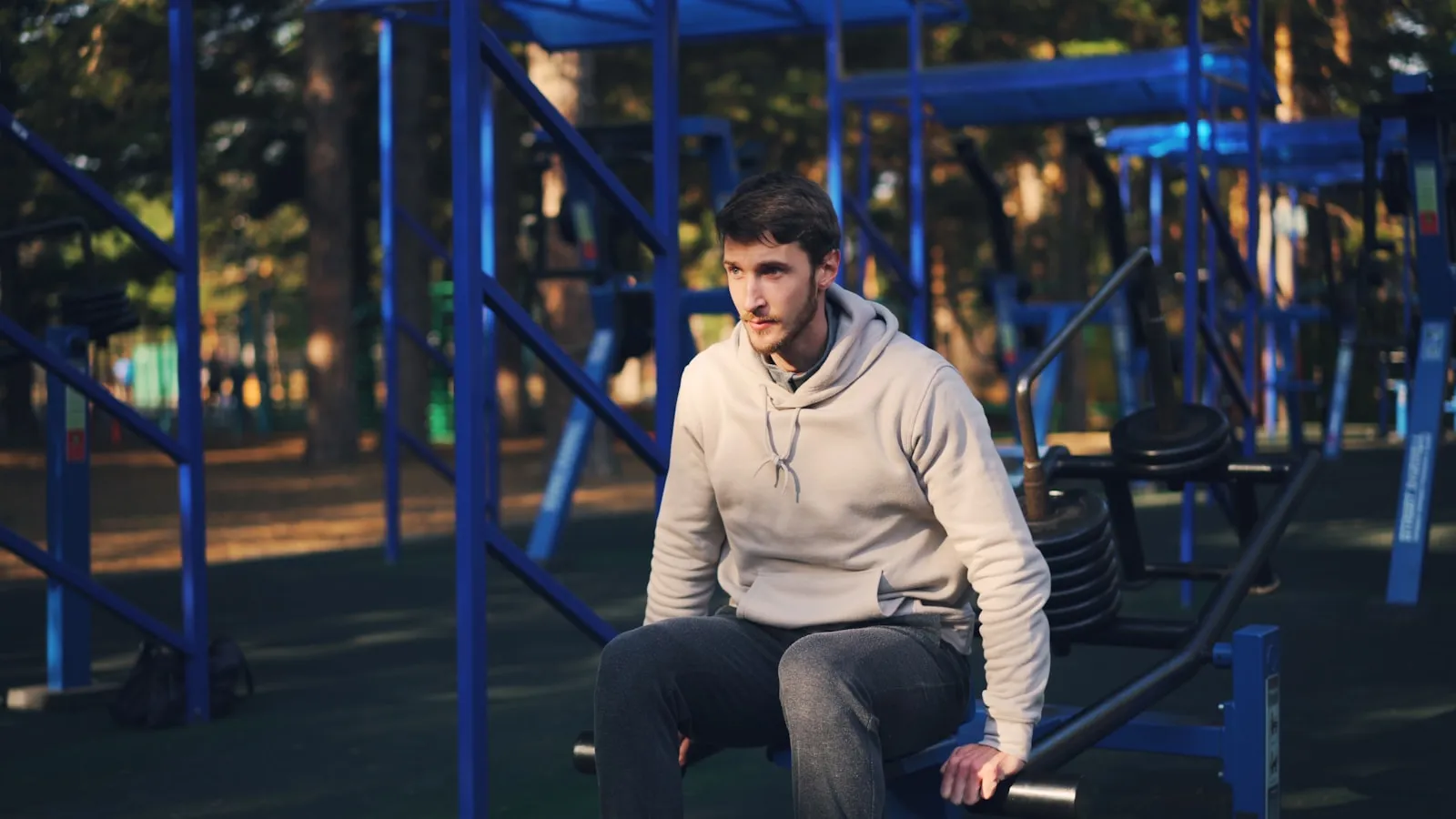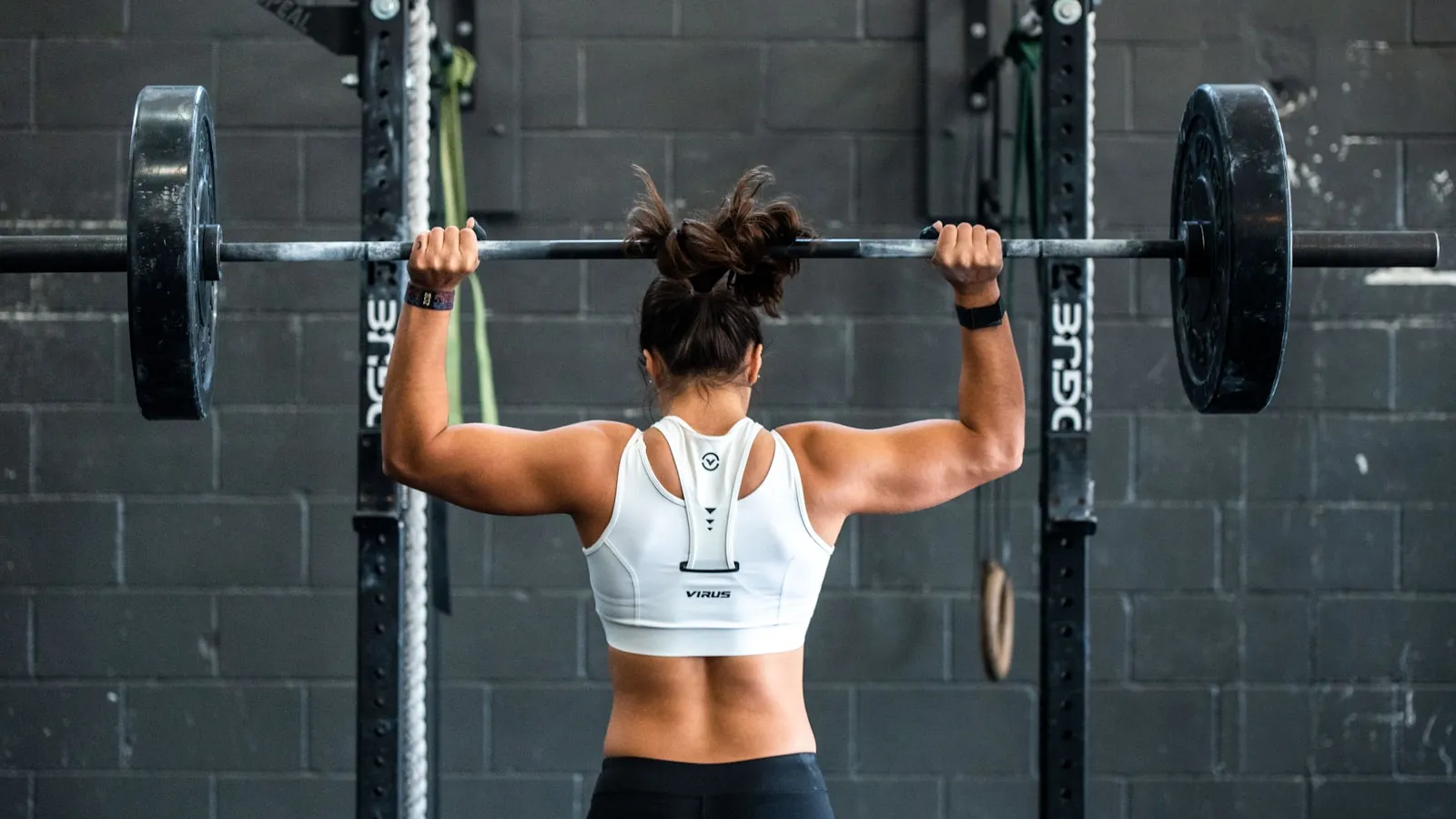
You have been training seriously for weeks, but instead of getting stronger you turn sluggish. Monday's stiffness is still there on Thursday, your weights drop, and even a good night's sleep no longer helps. At that point "just push on" is rarely the right answer, and it is smart to look at what your body is trying to tell you.
My take: training harder while your body asks for rest is not tough, it is counterproductive. Muscle soreness is normal, but there is a limit, and a few blood values can help you draw that line more sharply instead of guessing.
Normal soreness versus warning signs
Soreness that comes up 24 to 72 hours after a workout (known as DOMS) is a normal part of muscle adaptation, especially after new exercises or a higher load. Tiny tears in your muscle fibres trigger an inflammatory response you feel as stiffness. It clears up on its own within three to five days and is no cause for concern. In fact, it is part of getting stronger.
Some signals go beyond normal DOMS. Watch for the following:
- Soreness lasting longer than five days, especially if you see this pattern repeatedly
- Declining performance despite consistent training, such as less weight or fewer reps
- Chronic fatigue that does not improve after one or two rest days
- Poor or restless sleep despite physical tiredness
- Raised resting heart rate in the morning
- Mood changes such as irritability or reduced motivation
- Getting ill more often, which can point to a suppressed immune system
Recognise three or more of these? Then stepping back is wiser than going harder. For persistent fatigue the Dutch College of General Practitioners (NHG) stresses the importance of adequate recovery and sleep alongside any testing.
Which blood value fits which pattern?
The overview below links common patterns to the blood value that often fits. Treat it as a starting point for the conversation with your GP or sports physician, not a diagnosis.
| Your symptoms | Blood value often relevant | Point to note |
|---|---|---|
| Soreness lingers, stiffness after every session | CK (creatine kinase) | Measure on a rest day, at least 48 hours after training |
| Less strength, low drive, poor recovery | Testosterone and cortisol | Measure in the morning before 10:00, both fluctuate |
| Unexplained fatigue, quickly out of breath, less stamina | Ferritin and iron | Athletes lose iron through sweat and load |
| Cramps, poor sleep, delayed recovery | Magnesium | Only a small part sits in your blood |
| Persistent run-down feeling, inflammation | CRP | Do not measure right after an infection or hard session |
CK: measuring muscle damage
Creatine kinase (CK) is an enzyme released when muscle cells are damaged, making it a direct measure of muscle damage. After a hard workout your CK rises, and that is normal. The problem arises when CK stays structurally raised, even on days you have not trained. That can point to insufficient recovery, too high a training load, or a shortage of nutrients that support recovery.
A practical tip: measure CK on a rest day, at least 48 hours after your last workout, for the most reliable resting value. Train hard on Monday and Wednesday is the earliest point for a representative measurement. With very high values combined with dark urine and severe muscle pain, seek medical advice immediately.
Testosterone and cortisol: the anabolic balance
The ratio between testosterone and cortisol is a telling indicator of your training balance. Testosterone drives muscle building, strength and recovery. Cortisol is the opposite: a stress hormone that can rise under prolonged load and promotes muscle breakdown.
In a healthy situation they work in balance: cortisol rises temporarily during training, then testosterone takes over for recovery. Under prolonged overload that balance can shift, with testosterone dropping and cortisol staying high longer. That can explain why you sometimes see less result while you actually train more. Alongside total testosterone, free testosterone can add nuance.
There is no universal threshold for this ratio. What matters is a shift relative to your own baseline. That is why it is valuable to measure when you are well recovered, so you have a personal reference point. Always measure in the morning, because both hormones fluctuate strongly across the day.
Magnesium, iron and CRP: the rest of the picture
Magnesium plays a role in muscle contraction, energy production and nerve function. Athletes lose it through sweat and need more of it. A shortage can show up as cramps, delayed recovery and sleep problems. The Netherlands Nutrition Centre (Voedingscentrum) names nuts, pumpkin seeds, spinach and legumes as good sources. A serum value at the low end of normal may already be worth discussing with your doctor, because most magnesium sits in your tissues, not your blood.
Ferritin is the storage form of iron and the best indicator of your iron store. Iron is needed to transport oxygen to your muscles. Athletes have a higher risk of low iron through loss via sweat and load. Unexplained fatigue, getting out of breath quickly and slower recovery can fit. Read more about iron deficiency in men.
CRP is an inflammation marker. After a hard workout CRP rises slightly, and that should normalise within a few days. If CRP stays structurally raised, it can point to insufficient recovery or an underlying inflammation. So do not measure CRP right after an infection or a hard session, otherwise it is hard to interpret.
When to step back?
If your values or symptoms point to overtraining or a deficiency, it helps to adjust your approach. A few concrete steps:
- Lower your training volume temporarily, for example by half, possibly keeping intensity with fewer sets
- Prioritise sleep, because without good recovery other measures are mopping with the tap running
- Get your nutrition right with enough protein, carbohydrates for recovery and attention to magnesium, iron and vitamin D, as the Voedingscentrum advises
- Do active recovery with light movement such as walking or easy cycling
- Count mental stress too, because work and home raise your total load just as much as your training
- Retest after a few weeks to see whether your values improve, in consultation with your doctor
Frequently asked questions
How fast should CK drop after a workout?
CK usually peaks 24 to 72 hours after a hard workout and should then return to your resting value within five to seven days. If CK stays clearly raised after a week, you are probably not recovering enough. With very high values and dark urine, seek medical advice immediately.
Can overtraining lower my testosterone?
Prolonged physical stress can shift your hormone balance, with cortisol rising and testosterone falling. With enough rest, good nutrition and sleep, that usually recovers. Discuss persistent symptoms with your doctor.
When should I see a sports physician?
Seek medical advice if your performance drops for a longer period despite rest, if symptoms do not improve after a rest period, or with values outside the reference range. A sports physician can rule out other causes and help you with a responsible plan.
Getting started
Want to know whether a deficiency or a disrupted hormone balance sits under your muscle complaints? The Testosterone Panel maps your testosterone, and the Complete Men's Health Panel looks more broadly at markers tied to recovery and energy. See also the pillar always tired as a man and the guide to men's hormonal health.
In closing
Caliberhealth works with BIG-registered doctors who review your blood results. This article offers general information and does not replace advice from a GP or sports physician. A blood test is a tool, not a diagnosis on its own. For serious symptoms or health concerns, contact your GP, or call 112 in an emergency.
Author
Caliberhealth
Dr. Naimi, BIG-registered physician, oversees the medical standards behind our content and assessments. Read our medical policy